Healthy
Healthy Quinoa & Vegetable Buddha Bowl
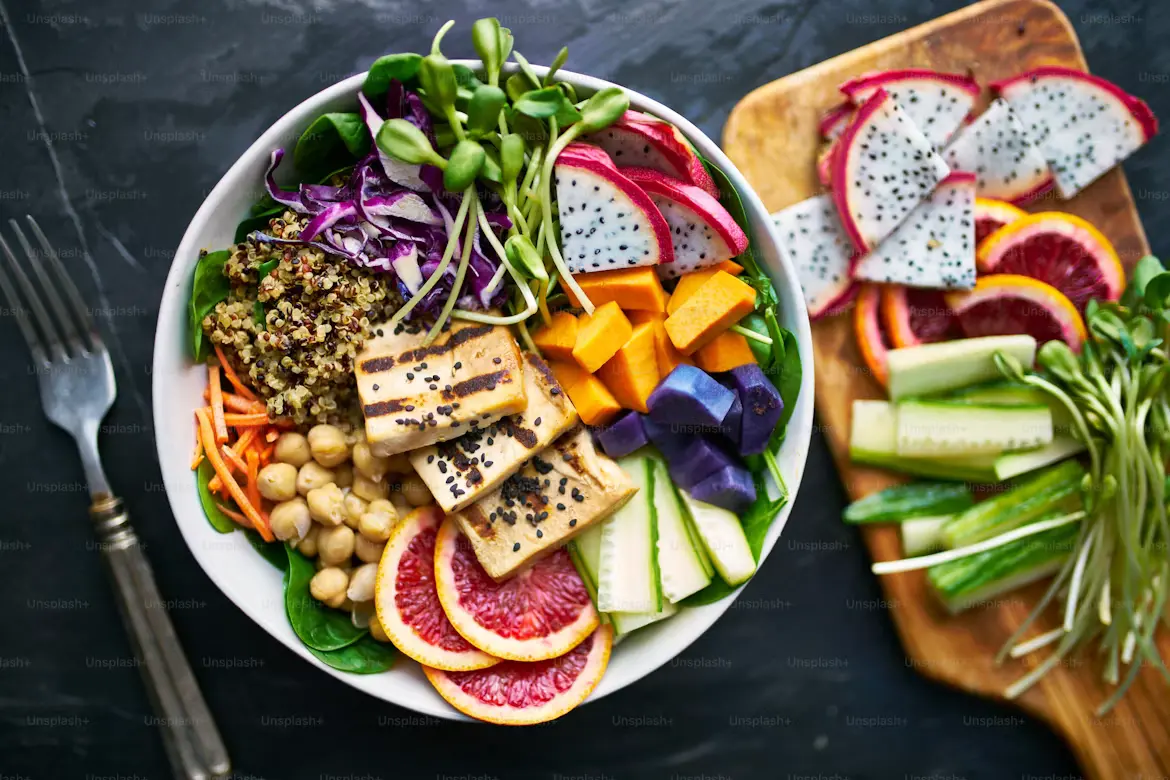
Why You'll Love This Healthy Quinoa & Vegetable Buddha Bowl
If you are looking for a healthy, colorful, and satisfying meal, this Healthy Quinoa & Vegetable Buddha Bowl is an excellent choice. It combines fluffy quinoa, protein-rich chickpeas, crunchy vegetables, creamy avocado, and a fresh lemon dressing to create a balanced and flavorful dish.This quinoa Buddha bowl is suitable for lunch, dinner, or weekly meal preparation. It is easy to customize with seasonal vegetables, herbs, and your favorite plant-based protein. The combination of different textures makes every bite enjoyable, while the simple dressing brings all the ingredients together.
Another great thing about this recipe is its flexibility. You can serve the vegetables raw for a fresh and crunchy bowl or roast some of them for a deeper flavor. Whether you are new to healthy cooking or already enjoy plant-based meals, this recipe is simple enough to prepare at home.
A Buddha bowl is a meal served in a single bowl and usually contains a combination of grains, vegetables, protein, and a flavorful dressing. Many versions include ingredients such as quinoa, brown rice, chickpeas, beans, tofu, leafy greens, and avocado.
The main idea is to combine different food groups, colors, flavors, and textures in one convenient meal. There is no single required recipe, so you can adjust the ingredients according to your taste, budget, and available produce.
In this version, quinoa provides the grain base, chickpeas add plant-based protein, and fresh vegetables bring color and crunch. Avocado adds a creamy texture, while lemon dressing gives the bowl a refreshing finish.
Use fresh ingredients for the best flavor. The quantities below make approximately two generous servings.
For the Buddha Bowl
1 cup uncooked quinoa
1 can chickpeas, drained and rinsed
1 cup cherry tomatoes, halved
1 medium cucumber, chopped
1 medium carrot, grated or thinly sliced
1 cup shredded red cabbage
1 ripe avocado, sliced
2 tablespoons chopped fresh parsley or cilantro
1 tablespoon olive oil
Salt and black pepper, to taste
For the Lemon Dressing
2 tablespoons fresh lemon juice
1 tablespoon extra-virgin olive oil
1 teaspoon Dijon mustard, optional
1 small garlic clove, finely minced
A pinch of salt
A pinch of black pepper
1–2 teaspoons water, if needed
Optional Toppings
You can finish your bowl with sesame seeds, pumpkin seeds, chopped nuts, fresh herbs, or a sprinkle of paprika. These additions provide extra flavor and texture without making the preparation complicated.
Follow these steps to prepare a fresh, flavorful Buddha bowl at home.
Step 1: Rinse the Quinoa
Place the quinoa in a fine-mesh strainer and rinse it thoroughly under cold running water. This helps remove its natural outer coating, which can sometimes create a bitter taste.
Allow the excess water to drain before cooking. Rinsing is a small step, but it can improve the final flavor of your quinoa.
Step 2: Cook the Quinoa
Add one cup of rinsed quinoa and two cups of water to a saucepan. Bring the mixture to a boil over medium-high heat.
Reduce the heat to low, cover the saucepan, and simmer for approximately 15 minutes, or until the water has been absorbed and the quinoa is tender. Remove it from the heat and let it rest, covered, for five minutes.
Fluff the quinoa gently with a fork. Avoid stirring it too aggressively, as this can make the grains less light and fluffy. Let it cool slightly before assembling the bowl.
Step 3: Season the Chickpeas
Drain and rinse the chickpeas, then pat them dry with a clean kitchen towel. Place them in a bowl and toss with olive oil, cumin, salt, and black pepper.
For a quicker version, use the chickpeas directly after seasoning. If you prefer a crispier texture, spread them on a baking tray and roast at 200°C (400°F) for about 20–25 minutes, stirring once during cooking.
The roasted chickpeas should be lightly golden on the outside. Allow them to cool briefly before adding them to the bowl.
Step 4: Prepare the Vegetables
Wash the cherry tomatoes, cucumber, carrot, and cabbage thoroughly. Halve the tomatoes, chop the cucumber, grate or slice the carrot, and shred the cabbage into thin strips.
Cutting the vegetables into similar, bite-sized pieces makes the bowl easier to eat and helps distribute the ingredients evenly. Slice the avocado just before serving to preserve its fresh appearance.
You can also add baby spinach, lettuce, roasted bell peppers, or steamed broccoli if you want more variety.
Step 5: Prepare the Lemon Dressing
In a small bowl, whisk together the lemon juice, olive oil, minced garlic, mustard if using, salt, and black pepper.
Taste the dressing and adjust it according to your preference. Add more lemon juice for extra brightness or a little water if the flavor is too strong.
A freshly prepared dressing usually tastes brighter than a bottled one and allows you to control the ingredients.
Step 6: Assemble the Buddha Bowl
Divide the cooked quinoa between two serving bowls. Arrange the chickpeas, tomatoes, cucumber, carrot, and cabbage over the quinoa.
Add the sliced avocado and sprinkle fresh parsley or cilantro over the top. Drizzle the lemon dressing evenly across both bowls and finish with your preferred seeds or seasonings.
Serve immediately for the best combination of warm quinoa, fresh vegetables, and creamy avocado.
This recipe combines several nutritious ingredients. Its overall nutritional value depends on the exact quantities, toppings, and dressing used.
Quinoa Provides Plant-Based Nutrition
Quinoa is a grain-like seed that supplies carbohydrates, fiber, and plant-based protein. It also contains several minerals. Its mild, nutty flavor works well with fresh vegetables and savory dressings.
Quinoa is naturally gluten-free, although anyone who needs to avoid gluten should check packaging and preparation practices to reduce the risk of cross-contact.
Chickpeas Add Protein and Fiber
Chickpeas contribute plant-based protein, fiber, and important nutrients. They also make the bowl more substantial and satisfying.
Using canned chickpeas is convenient, while cooking dried chickpeas at home can be an economical alternative. If using canned chickpeas, drain and rinse them before adding them to the recipe.
Fresh Vegetables Add Color and Variety
Tomatoes, cucumber, carrot, and cabbage contribute different flavors, textures, and nutrients. Eating a variety of vegetables is a practical way to add more color and variety to everyday meals.
You can change the vegetable combination throughout the year according to seasonal availability.
Avocado and Olive Oil Provide Unsaturated Fats
Avocado and olive oil contribute unsaturated fats that help make the bowl flavorful and satisfying. Avocado also adds a creamy texture that balances the crisp vegetables.
Because avocado and oil are energy-dense ingredients, adjust their quantities to suit your appetite and dietary needs.
For general guidance on building balanced meals, visit the USDA MyPlate website.
Rinse the quinoa thoroughly before cooking to help improve its flavor.
Measure the cooking water carefully for a consistent quinoa texture.
Allow cooked quinoa to rest for five minutes before fluffing.
Dry chickpeas before roasting to encourage better browning.
Keep the vegetables fresh and cut them shortly before serving.
Add avocado just before eating to help prevent browning.
Taste the dressing before serving and adjust the lemon, salt, and pepper.
Keep the dressing separate if preparing the bowl for later.
Use a wide bowl so the ingredients can be arranged neatly and accessed easily.
These small techniques help make the recipe more enjoyable without adding much preparation time.
Vegan Buddha Bowl
The recipe is plant-based as written. Check any optional sauces and toppings to ensure they fit your preferences. You can add extra vegetables, beans, or tofu for more variety.
Spicy Chickpea Buddha Bowl
Add chili flakes, cayenne pepper, or a little hot sauce to the chickpeas. You can also mix a small amount of chili into the lemon dressing for heat throughout the bowl.
Mediterranean Quinoa Bowl
Add olives, roasted bell peppers, oregano, and extra parsley. A little lemon zest can make the dressing even more fragrant.
Roasted Vegetable Buddha Bowl
Replace some raw vegetables with roasted zucchini, sweet potato, broccoli, or bell peppers. Roast the vegetables until tender and lightly browned, then arrange them over the cooked quinoa.
Extra-Protein Buddha Bowl
Add baked tofu, extra chickpeas, or another protein-rich ingredient that suits your diet. Season it with herbs, spices, or lemon to complement the existing dressing.
Brown Rice Buddha Bowl
If quinoa is unavailable, substitute cooked brown rice. Couscous or another grain can also work, although cooking times and nutritional values will differ.
Using Too Much Water
Excess water can make quinoa soft and soggy. Start with the recommended ratio, cook gently, and allow the quinoa to rest before fluffing.
Overcrowding the Baking Tray
If roasting chickpeas or vegetables, spread them in a single layer. Overcrowding can trap moisture and prevent the ingredients from browning evenly.
Adding Dressing Too Early
Dressing the entire bowl well before serving can soften the vegetables. For meal preparation, store the dressing separately and add it shortly before eating.
Cutting Avocado Too Soon
Avocado can brown when exposed to air. Slice it near serving time, or lightly coat the cut surface with lemon juice if you need to prepare it in advance.
Forgetting to Taste Before Serving
Quinoa and vegetables have mild flavors, so seasoning matters. Taste the dressing and chickpeas before assembling the bowl, and adjust the seasoning as needed.
This recipe works well for meal preparation because most of its components can be prepared ahead of time.
Allow cooked quinoa and chickpeas to cool safely, then refrigerate them promptly in shallow, airtight containers. Keep the chopped vegetables, dressing, and avocado separate where practical.
For the best quality, use refrigerated leftovers within three to four days and follow local food-safety recommendations. Do not leave cooked ingredients at room temperature for extended periods.
When ready to eat, reheat the quinoa and chickpeas if desired, then add the fresh vegetables, avocado, and dressing. Keeping the fresh components separate helps preserve their texture.
Is this quinoa Buddha bowl suitable for lunch?
Yes. It combines grains, chickpeas, vegetables, and healthy fats in a convenient meal. Adjust the portion size and ingredients according to your appetite.
Can I make this recipe ahead of time?
Yes. Cook the quinoa and prepare the chickpeas and vegetables in advance. Store the components separately and assemble the bowl when you are ready to eat.
Can I use frozen vegetables?
Yes. Frozen vegetables such as broccoli or peas can be cooked according to their package instructions and added to the bowl. Allow excess moisture to drain before assembling.
Is this recipe gluten-free?
The listed ingredients are naturally gluten-free. If you have celiac disease or need to avoid gluten strictly, check ingredient labels and avoid cross-contact during cooking.
Can I make the dressing without mustard?
Yes. Simply omit the mustard. The lemon juice, olive oil, garlic, salt, and pepper will still provide a flavorful dressing.
What can I use instead of avocado?
Try roasted sweet potato, extra cucumber, hummus, or another ingredient you enjoy. The flavor and nutritional content will change depending on the substitute.
This quinoa bowl can be served on its own or alongside a light vegetable soup. You can also pair it with roasted vegetables or a small side salad if you want a larger meal.
For a simple presentation, arrange each ingredient in separate sections over the quinoa and drizzle the dressing just before serving. For everyday meals, you can mix everything together so that each bite includes a little of every ingredient.
This Healthy Quinoa & Vegetable Buddha Bowl is a flexible recipe that brings together quinoa, chickpeas, fresh vegetables, avocado, and a bright lemon dressing. It is easy to customize, suitable for meal preparation, and useful for anyone looking to add more plant-based meals to their routine.
Try different vegetables, seasonings, and toppings to find your favorite combination. With a little preparation, this colorful Buddha bowl can become a convenient option for lunch or dinner throughout the week.
Explore more recipes on RecipeOne for additional inspiration for your next homemade meal.
What Is a Buddha Bowl?
Ingredients for a Healthy Quinoa Buddha Bowl
How to Make a Healthy Quinoa & Vegetable Buddha Bowl
Health Benefits of a Quinoa and Vegetable Bowl
Expert Tips for the Best Buddha Bowl
Healthy Variations to Try
Common Mistakes to Avoid
How to Store and Meal Prep This Buddha Bowl
Frequently Asked Questions
What to Serve With a Buddha Bowl
Final Thoughts
The recipe
Healthy Quinoa & Vegetable Buddha Bowl
Enjoy this healthy quinoa and vegetable Buddha bowl packed with plant-based protein, fiber, fresh vegetables, and healthy fats. Made with chickpeas, creamy avocado, crunchy cucumber, and juicy tomatoes, this easy vegetarian recipe is perfect for a nutritious lunch or dinner and is ready in just 35 minutes.
Ingredients
- 1 cup uncooked quinoa, rinsed
- 2 cups water or low-sodium vegetable broth
- 1 cup cooked chickpeas, drained and rinsed
- 1 cup cherry tomatoes, halved
- 1 medium cucumber, sliced
- 1 medium carrot, shredded
- 1 cup shredded red cabbage
- 1 medium avocado, sliced
- 2 tablespoons olive oil
- 1 tablespoon fresh lemon juice
- 1 teaspoon garlic powder
- 1 teaspoon ground cumin
- Salt and black pepper, to taste
- 2 tablespoons fresh parsley or cilantro, chopped (optional)
- 1 teaspoon sesame seeds (optional)
Instructions
- Step 1: Cook the Quinoa
- Rinse the quinoa under cold water. Add it to a saucepan with the water or vegetable broth. Bring to a boil, reduce the heat, cover, and simmer for approximately 15 minutes, or until the liquid is absorbed. Remove from the heat and fluff with a fork.
- Step 2: Season the Chickpeas
- Heat one tablespoon of olive oil in a nonstick pan over medium heat. Add the cooked chickpeas, garlic powder, cumin, and a pinch of salt and black pepper. Cook for 5–7 minutes, stirring occasionally, until heated through and lightly golden.
- Step 3: Prepare the Vegetables
- Wash all the vegetables thoroughly. Halve the cherry tomatoes, slice the cucumber and avocado, shred the carrot, and prepare the red cabbage. Keep the vegetables separate so you can arrange them neatly in each bowl.
- Step 4: Make the Lemon Dressing
- In a small bowl, whisk together the remaining olive oil and fresh lemon juice. Add a little black pepper and salt to taste. For a creamier dressing, you can add a teaspoon of tahini and a small splash of water.
- Step 5: Assemble the Buddha Bowl
- Divide the cooked quinoa between two serving bowls. Add the seasoned chickpeas, cherry tomatoes, cucumber, carrot, red cabbage, and avocado. Arrange the ingredients in sections for a colorful presentation.
- Step 6: Add the Finishing Touches
- Drizzle the lemon dressing over the bowls. Sprinkle with fresh herbs and sesame seeds if desired. Serve immediately and enjoy your homemade healthy meal.
- Health Benefits of This Recipe
- Quinoa provides carbohydrates, fiber, and plant-based protein. Chickpeas contribute additional protein and fiber, while fresh vegetables supply a variety of vitamins and minerals. Avocado and olive oil provide unsaturated fats.
- Together, these ingredients create a satisfying meal that can fit into a balanced eating pattern. Individual nutritional needs vary, so enjoy the bowl as part of a varied diet.
Helpful tip
Save time: Cook quinoa in advance and refrigerate it for quick meal preparation. Add more flavor: Use low-sodium vegetable broth instead of water when cooking quinoa. Make it spicy: Add chili flakes, paprika, or freshly ground black pepper. Change the vegetables: Try roasted bell peppers, spinach, broccoli, or sweet potatoes. Make it vegan: The basic recipe is plant-based; check packaged ingredients if needed. Prepare meals ahead: Store the dressing separately and add the avocado shortly before serving. Store leftovers safely: Refrigerate leftovers in an airtight container and consume within 3–4 days.