Healthy
Traditional Pakistani Sarson aur Bathua ka Desi Saag
Traditional Pakistani Sarson aur Bathua ka Desi Saag
Introduction
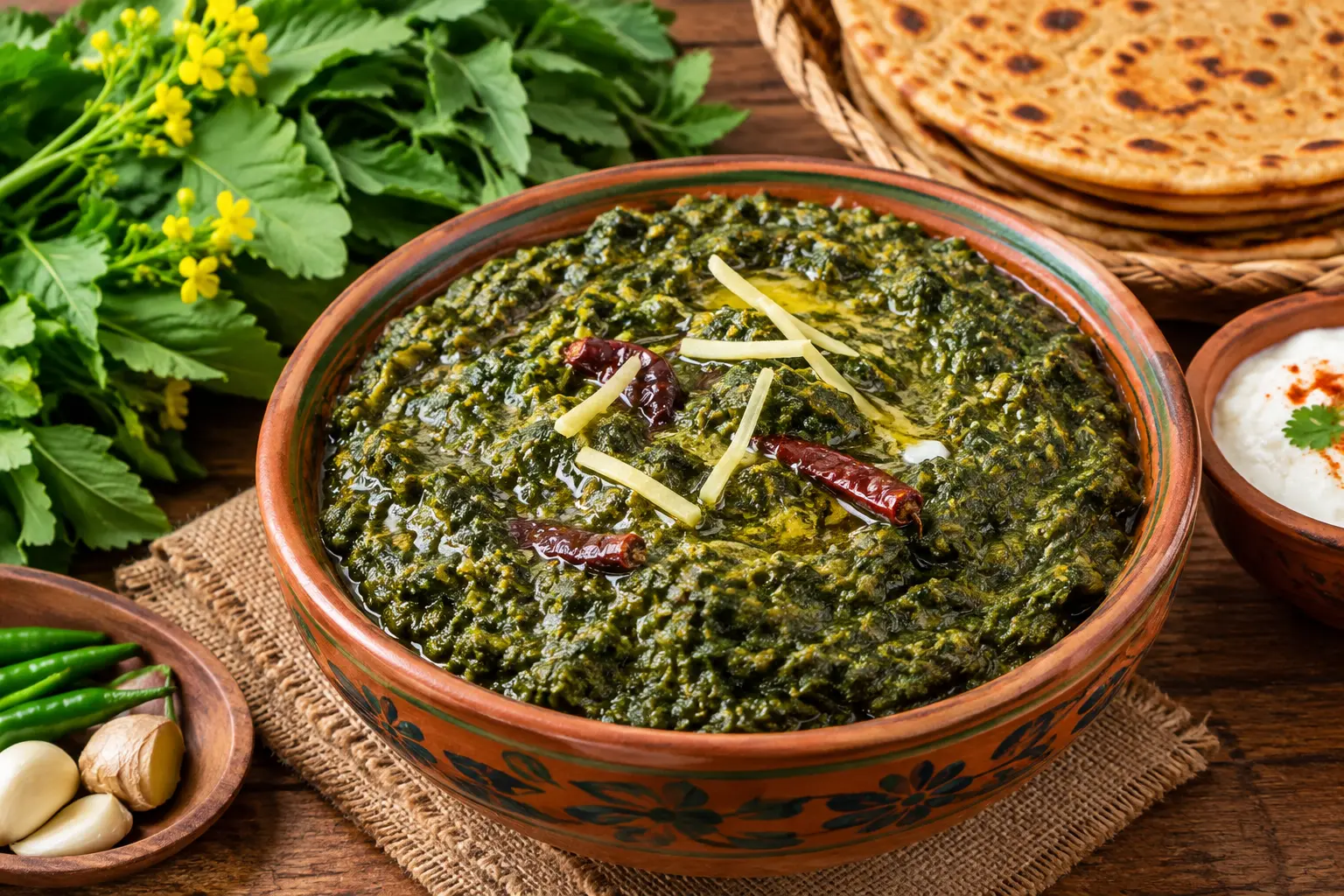
There is something special about the traditional food prepared in the villages of Punjab, Pakistan. Made with seasonal leafy greens, simple spices, and a little desi ghee, Sarson aur Bathua ka Desi Saag is a comforting dish that brings the flavors of rural Pakistani cooking into your kitchen.
This traditional Punjabi-style saag combines sarson (mustard greens) with bathua (lamb's quarters), creating a rich, earthy flavor and a soft, hearty texture. It is commonly enjoyed with makki ki roti, fresh green chilies, and homemade butter or desi ghee.
Unlike restaurant-style dishes that rely on elaborate seasoning, this village-inspired recipe focuses on fresh ingredients and slow cooking. Although preparation methods vary from family to family, the goal is the same: to turn simple seasonal greens into a satisfying homemade meal.
Whether you grew up eating Punjabi village food or are discovering Pakistani cuisine for the first time, this recipe is a wonderful way to explore traditional South Asian cooking.
What Is Sarson aur Bathua ka Desi Saag?
Sarson aur Bathua ka Desi Saag is a traditional leafy-green dish associated with Punjabi home cooking. Sarson provides a slightly peppery, earthy taste, while bathua adds a distinctive green flavor and helps create a tender mixture.
The greens are washed, chopped, and simmered until soft. They are then mashed or blended to achieve the desired consistency before being finished with a simple onion, garlic, ginger, and spice tempering.
Every household has its own approach. Some cooks prefer a rustic, coarse texture, while others make the saag smoother. The recipe below follows a practical home-style method that can be prepared on a regular stovetop.
Why You Will Love This Village-Style Saag
Traditional ingredients: Uses mustard greens and bathua, two leafy greens associated with South Asian cooking.
Simple preparation: Requires everyday ingredients and basic kitchen equipment.
Flexible texture: You can leave the saag slightly chunky or blend it until smooth.
Easy substitutions: Spinach can be used when bathua is unavailable.
Comforting meal: Pairs beautifully with makki ki roti, whole-wheat roti, or another flatbread.
Ingredients for Sarson aur Bathua ka Desi Saag
This recipe serves approximately four people.
For the Saag
500 g fresh mustard greens (sarson)
250 g fresh bathua leaves
1 medium onion, finely chopped
2 medium tomatoes, chopped
1 tablespoon fresh ginger, grated or finely chopped
4 garlic cloves, chopped
1–2 green chilies, adjusted to taste
2 tablespoons maize flour (makki ka atta)
2–3 cups water, as needed
1 teaspoon salt, or to taste
½ teaspoon ground turmeric
½ teaspoon red chili powder, optional
2 tablespoons desi ghee or cooking oil
For the Tarka
1 tablespoon desi ghee
2 garlic cloves, thinly sliced
½ teaspoon cumin seeds, optional
1 dried red chili, optional
Ingredient tip: Fresh bathua is traditionally used when available. If you cannot find it in an international grocery store, replace it with additional mustard greens or spinach. The flavor will be slightly different, but the recipe will still work.
How to Make Traditional Sarson aur Bathua ka Desi Saag
Step 1: Clean the Leafy Greens
Separate the edible leaves and tender stems from the mustard greens and bathua. Remove damaged leaves and wash the greens thoroughly in several changes of clean water to remove dirt and grit.
Drain well and chop the greens into manageable pieces.
Village-style tip: Do not rush the washing process. Leafy vegetables can hold soil between their leaves, particularly when freshly harvested.
Step 2: Cook the Greens
Place the chopped mustard greens and bathua in a large, heavy-bottomed pot. Add the chopped tomatoes, ginger, garlic, green chilies, turmeric, salt, and approximately two cups of water.
Bring the mixture to a gentle boil. Reduce the heat, cover partially, and simmer for about 35–45 minutes, stirring occasionally.
Check the pot during cooking and add a little more water if the greens begin to stick. The leaves should become very soft before you move to the next step.
Cooking time can vary depending on the maturity of the greens and the size of the pieces.
Step 3: Mash the Saag
Allow the cooked greens to cool slightly if necessary. Mash them with a traditional wooden masher or use an immersion blender for a smoother texture.
For a more rustic village-style result, avoid blending the mixture completely. Leaving some leafy texture gives the finished saag a more homemade character.
Return the mashed greens to the pot.
Step 4: Add the Maize Flour
Mix the maize flour with a few tablespoons of cool water in a small bowl to make a smooth paste.
Gradually stir this paste into the saag, making sure there are no lumps. Simmer for another 10–15 minutes, stirring regularly, until the mixture thickens.
Maize flour helps create a fuller consistency. Add it gradually because the saag will continue to thicken as it cooks.
Step 5: Prepare the Onion and Spice Base
Heat two tablespoons of desi ghee or oil in a separate pan over medium heat.
Add the chopped onion and cook until soft and lightly golden. Add the optional red chili powder and stir briefly.
Transfer the onion mixture into the cooked saag. Stir well and simmer for another five minutes so the flavors combine.
Taste and adjust the salt and chilies as needed.
Step 6: Prepare the Garlic Tarka
In a small pan, heat one tablespoon of desi ghee over low to medium heat. Add the sliced garlic, cumin seeds, and dried red chili, if using.
Cook briefly until the garlic becomes fragrant and lightly golden. Avoid burning it, as burnt garlic can make the dish bitter.
Pour the tarka over the saag and stir gently, or reserve a little to drizzle over individual servings.
Step 7: Serve Hot
Transfer the finished saag to a serving bowl. Add a small amount of desi ghee on top if desired.
Serve immediately with warm makki ki roti, whole-wheat roti, or another flatbread. Fresh green chilies and sliced onion make excellent accompaniments.
Tips for Authentic Village-Style Flavor
Use fresh greens whenever possible. Fresh mustard greens and bathua provide the characteristic earthy flavor of this dish.
Cook slowly. Gentle simmering softens the greens and allows their flavors to develop. Avoid letting the pot boil dry.
Adjust the texture to your preference. Traditional household methods differ, so there is no need to make every batch perfectly smooth.
Add maize flour gradually. Too much flour can make the saag overly thick or give it a pasty texture.
Use ghee according to your preference. Desi ghee gives a rich aroma, but ordinary cooking oil also works.
Balance the greens. Mustard greens can taste peppery or slightly bitter. Bathua and spinach can soften the overall flavor, depending on the proportions used.
What to Serve with Sarson aur Bathua ka Desi Saag
Makki ki Roti
Makki ki roti is a classic partner for Punjabi-style saag. Its corn flavor and hearty texture complement the cooked greens beautifully.
Internal link: Read our Makki ki Roti Recipe
Fresh Green Chilies and Onion
Serve sliced onion and green chilies on the side for a simple, traditional-style meal. Adjust the chilies according to your spice tolerance.
Homemade Lassi
A glass of homemade lassi is another traditional-style accompaniment that works well with a hearty Punjabi meal.
Internal link: Discover Our Traditional Pakistani Lassi Recipe
Website note: Replace the internal-link paths above with the correct URLs from your website before publishing.
Ingredient Substitutions for International Kitchens
Bathua may be difficult to find in some countries, especially outside South Asian grocery stores. Fortunately, this recipe can be adapted.
No bathua available? Use extra mustard greens or substitute spinach.
No fresh mustard greens? Use frozen mustard greens if available, following the package instructions.
No maize flour? Fine cornmeal may work, although the texture can vary. Add it gradually.
No desi ghee? Use vegetable oil or another cooking oil you prefer.
Prefer milder flavors? Reduce the green chilies and omit the red chili powder.
These substitutions make the recipe more accessible to readers in the United States, United Kingdom, Canada, Australia, and other countries.
Is Sarson aur Bathua ka Saag Healthy?
Leafy greens provide a variety of nutrients, including dietary fiber, vitamins, and minerals. Mustard greens and bathua can contribute to a balanced diet when served alongside other nutritious foods.
The nutritional value of the finished dish depends on the quantities of greens, maize flour, ghee, salt, and other ingredients used.
For a lighter version, reduce the amount of ghee and use less salt. For a more substantial meal, serve the saag with a suitable flatbread and a source of protein.
For general information about eating a varied diet with vegetables, visit the NHS guide to getting your five portions of fruit and vegetables a day.
This is a general food and cooking article, not medical or dietary advice.
How to Store Leftover Saag
Allow leftover saag to cool promptly, then transfer it to a clean, airtight container and refrigerate it within two hours of cooking.
Refrigerated leftovers should generally be used within three to four days. Reheat only the portion you need until it is steaming hot throughout. Add a small splash of water if the saag becomes too thick.
You can also freeze portions in suitable airtight containers. Thaw them in the refrigerator and reheat thoroughly before serving. For food-safety guidance, consult the USDA Food Safety and Inspection Service.
Frequently Asked Questions
Can I make Sarson aur Bathua ka Saag without bathua?
Yes. Replace the bathua with spinach or additional mustard greens. The flavor will differ slightly, but you can still prepare a delicious mustard-green saag.
Can I use a pressure cooker?
Yes. A pressure cooker can soften the greens more quickly. Use the manufacturer's instructions for leafy vegetables and allow the pressure to release safely before opening. Finish the recipe by mashing the greens, adding maize flour, and preparing the tarka.
Why does my saag taste bitter?
Mustard greens can naturally have a strong, peppery flavor. The variety of greens, their maturity, and the cooking method all affect the final taste. Mixing mustard greens with bathua or spinach can produce a milder result.
Why is my saag too watery?
It may need additional uncovered simmering to reduce excess liquid. If necessary, add a little maize flour mixed with cool water, then cook thoroughly while stirring.
Can I prepare this recipe ahead of time?
Yes. You can cook and mash the greens in advance, refrigerate them safely, and finish the dish with the onion mixture and garlic tarka before serving.
What is the difference between sarson and bathua?
Sarson refers to mustard greens, which have a distinctive peppery flavor. Bathua refers to lamb's quarters, a leafy green used in South Asian cooking. They are different plants, but they work well together in this recipe.
A Taste of Rural Pakistani Cooking
Sarson aur Bathua ka Desi Saag celebrates the simplicity of Punjabi home cooking. With seasonal leafy greens, gentle simmering, and a fragrant garlic tarka, this dish transforms everyday ingredients into a comforting meal.
Served with makki ki roti and a little desi ghee, it offers international readers an approachable introduction to a traditional Pakistani food culture that varies across households and regions.
Try this recipe when fresh greens are available, adjust the spices to your taste, and enjoy a homemade meal inspired by the flavors of rural Punjab.
Explore More Pakistani Recipes
Continue exploring traditional Pakistani food with these recipes:
Internal-link note: Verify and replace these example paths with your actual published URLs before making the article live.
The recipe
Traditional Pakistani Sarson aur Bathua ka Desi Saag
Discover the authentic taste of rural Pakistan with Sarson aur Bathua ka Desi Saag, a traditional Punjabi dish made with fresh mustard greens, bathua, aromatic spices, and desi ghee. This comforting village-style recipe pairs perfectly with makki ki roti for a wholesome, homemade meal.
Ingredients
- **Ingredients (one per line)**
- 500 g fresh mustard greens (sarson), washed and chopped
- 250 g fresh bathua leaves, washed and chopped
- 1 medium onion, finely chopped
- 2 medium tomatoes, chopped
- 1 tablespoon fresh ginger, grated
- 4 garlic cloves, chopped
- 1–2 green chilies, chopped
- 2 tablespoons maize flour (makki ka atta)
- 2–3 cups water, as needed
- 1 teaspoon salt, or to taste
- ½ teaspoon ground turmeric
- ½ teaspoon red chili powder (optional)
- 2 tablespoons desi ghee or cooking oil
- **For the Garlic Tarka**
- 1 tablespoon desi ghee
- 2 garlic cloves, thinly sliced
- ½ teaspoon cumin seeds (optional)
- 1 dried red chili (optional)
- **Instructions (one step per line)**
- 1. Wash the mustard greens and bathua thoroughly under clean running water to remove dirt and grit.
- 2. Remove damaged leaves, chop the greens, and drain the excess water.
- 3. Place the greens in a large pot with tomatoes, ginger, chopped garlic, green chilies, turmeric, salt, and 2 cups of water.
- 4. Bring the mixture to a gentle boil, then cover partially and simmer for 35–45 minutes until the greens become soft.
- 5. Stir occasionally and add more water if needed to prevent the greens from sticking to the bottom.
- 6. Mash the cooked greens using a traditional masher or blend partially for a rustic texture.
- 7. Mix the maize flour with a few tablespoons of cool water to form a smooth paste without lumps.
- 8. Stir the maize flour paste into the saag and simmer for another 10–15 minutes, stirring regularly until thickened.
- 9. Heat 2 tablespoons of desi ghee or cooking oil in a separate pan.
- 10. Add the chopped onion and cook until soft and lightly golden.
- 11. Stir the onion mixture into the saag, add the optional red chili powder, and simmer for another 5 minutes.
- 12. In a small pan, heat 1 tablespoon of desi ghee and add sliced garlic, cumin seeds, and dried red chili if desired.
- 13. Cook the garlic until fragrant and lightly golden, taking care not to burn it.
- 14. Pour the garlic tarka over the saag and stir gently.
- 15. Serve hot with makki ki roti, fresh green chilies, and a little extra desi ghee if desired.
- **Cooking tips**
- - Wash leafy greens thoroughly because soil can collect between the leaves.
- - Fresh bathua gives the dish its traditional flavor; substitute spinach if bathua is unavailable.
- - Simmer the greens until completely tender before mashing.
- - Add maize flour gradually to avoid lumps and an overly thick texture.
- - Adjust green chilies and red chili powder to your preferred spice level.
- - Use desi ghee for a richer traditional aroma or cooking oil for an alternative.
- - For a rustic village-style texture, mash the greens instead of blending them completely.
- - Refrigerate leftovers promptly in an airtight container.
- **Prep minutes:** 20
- **Cook minutes:** 65
- **Servings:** 4
- **Author:** Your Website Author
Instructions
- Wash the mustard greens and bathua thoroughly under clean running water to remove dirt and grit.
- Remove damaged leaves, chop the greens, and drain the excess water.
- Place the greens in a large pot with tomatoes, ginger, chopped garlic, green chilies, turmeric, salt, and 2 cups of water.
- Bring the mixture to a gentle boil, then cover partially and simmer for 35–45 minutes until the greens become soft.
- Stir occasionally and add more water if needed to prevent the greens from sticking to the bottom.
- Mash the cooked greens using a traditional masher or blend partially for a rustic texture.
- Mix the maize flour with a few tablespoons of cool water to form a smooth paste without lumps.
- Stir the maize flour paste into the saag and simmer for another 10–15 minutes, stirring regularly until thickened.
- Heat 2 tablespoons of desi ghee or cooking oil in a separate pan.
- Add the chopped onion and cook until soft and lightly golden.
- Stir the onion mixture into the saag, add the optional red chili powder, and simmer for another 5 minutes.
- In a small pan, heat 1 tablespoon of desi ghee and add sliced garlic, cumin seeds, and dried red chili if desired.
- Cook the garlic until fragrant and lightly golden, taking care not to burn it.
- Pour the garlic tarka over the saag and stir gently.
- Serve hot with makki ki roti, fresh green chilies, and a little extra desi ghee if desired.
Helpful tip
Wash leafy greens thoroughly because soil can collect between the leaves. Fresh bathua gives the dish its traditional flavor; substitute spinach if bathua is unavailable. Simmer the greens until completely tender before mashing. Add maize flour gradually to avoid lumps and an overly thick texture. Adjust green chilies and red chili powder to your preferred spice level. Use desi ghee for a richer traditional aroma or cooking oil for an alternative. For a rustic village-style texture, mash the greens instead of blending them completely. Refrigerate leftovers promptly in an airtight container. Prep minutes: 20 Cook minutes: 65 Servings: 4 Author: Your Website Author